
April 16, 2026 10:33 am

क्राईम

एक धक्कादायक प्रकरण समोर आले आहे. या प्रकरणात नवऱ्याने बायकोचा खून केला. त्यानंतर त्याने जे शक्कल लढवली ती ऐकून तुम्हाला धक्का बसेल. चला जाणून घेऊया पोलिसांचा घामटा काढणारे हे प्रकरण काय आहे…

नवरा-बायकोचे नाते हे अतिशय सुंदर असते. कधी प्रेम तर कधी भांडणे, तसेच आयुष्यात येणाऱ्या प्रत्येक चढउताराला ते एकत्र धीराने समोरे जातात. मात्र, याच नात्याला काळीमा फासणारी एक घटना समोर आली आहे. एका नवऱ्याने बायकोचा गळा दाबून जीव घेतला. त्यानंतर त्याने बायकोच्या मृतदेहाची ज्या प्रकारे विलेवाट लावली ते पाहून पोलिसांनाही घाम फुटला. आता नेमकं प्रकरण काय चला जाणून घेऊया..

केरळमधील कोट्टायमच्या शांत खोऱ्यात एक भयानक कट रचला गेला, ज्याने सुंदर नात्यावरच घाव घालण्यात आला. कोट्टायममध्ये रचली गेलेली एक भयंकर कहाणी, ज्यामध्ये प्रेमाच्या जागी आता फक्त भयावह घटनेची दहशत आहे. खरेतर, वेगळे राहणाऱ्या ५९ वर्षीय टेक्नोलॉजी एक्सपर्ट सॅम जॉर्ज याने आपल्या पत्नी जेसीचा गळा दाबून खून केला आणि नंतर तिचा मृतदेह खोल खड्ड्यात फेकून दिला. पोलिसांच्या मते, हा एक नियोजित खून होता.

काय आहे संपूर्ण प्रकरण?

हे प्रकरण २६ सप्टेंबरचे आहे. केरळमधील कोट्टायम जिल्ह्यात एक खळबळजनक खुनाची घटना घडली. आरोपी सॅम जॉर्ज (वय ५९) याने २६ सप्टेंबरच्या रात्री आपली पत्नी जेसी सॅम (वय ५०) हिचा घरातच गळा दाबून खून केला. त्यानंतर त्याने पत्नीचा मृतदेह आपल्या कारच्या डिक्कीत ठेवला आणि रात्री १ वाजता तो ६० किलोमीटर दूर एका खोल खड्ड्यात फेकून दिला. खुनाचा पुरावा लपवण्यासाठी सॅमने जेसीचा मोबाइल फोनही खोल पाण्यात फेकून दिला.

सॅमची इराणी महिलेशी मैत्री

सॅमला एका इराणी महिला मैत्रिणीसोबत पाहिले गेले, जी एमजी विद्यापीठात योगाचे शिक्षण घेत आहे. असे सांगितले जाते की, सॅमने केवळ त्या इराणी मुलीशी मैत्री केली नाही, तर तिला एमजी विद्यापीठात शिष्यवृत्ती मिळवण्यासाठी मदतही केली. पोलिसांनी सांगितले की, त्याच्या इराणी मैत्रिणीला या योजनेबद्दल काहीच माहिती नव्हती आणि तिने या प्रकरणाच्या तथ्यांची पुष्टी करण्यासाठी पोलिसांना महत्त्वाचे मोबाइल पुरावे देखील दिले.

आरोपीने गुन्हा कबूल केला

जेसीचा मृतदेह शुक्रवारी सापडला आणि सॅमला ताब्यात घेण्यात आले. दोन दिवसांच्या कठीण शोधानंतर मंगळवारी खोल पाण्यातून मोबाइल फोन शोधून काढला. पोलिसांच्या चौकशीत सॅमने आपला गुन्हा कबूल केला. सॅमला आज न्यायालयात हजर करण्यात आले आहे.


Airports across Europe are gearing up for what is anticipated to be the busiest Christmas travel season in history. With international travel rebounding strongly post-pandemic, millions of passengers are expected to pass through European terminals during the holiday period, creating a surge in demand for flights, services, and infrastructure.

Unprecedented Passenger Numbers

Industry analysts predict a sharp increase in air travel, driven by:

  • Pent-Up Demand: Many travelers postponed family visits and vacations in previous years.
  • Affordability: Airlines offering competitive holiday deals.
  • Flexible Travel Options: Enhanced connectivity and route expansions across Europe.

Major hubs like London Heathrow, Paris Charles de Gaulle, and Frankfurt Airport are projected to experience a passenger volume surpassing pre-pandemic levels.

Challenges for Airports and Airlines

The expected surge brings logistical challenges:

  1. Staffing Shortages: Despite recovery efforts, some airports and airlines are still dealing with workforce shortages.
  2. Delays and Congestion: Increased traffic could lead to longer waiting times at check-ins, security checkpoints, and baggage claims.
  3. Weather Disruptions: Winter weather conditions might cause flight cancellations and delays.
  4. Luggage Handling: The volume of baggage could overwhelm systems, risking mishandling or delays.

Preparedness Measures

To ensure smooth operations, airports and airlines have implemented several measures:

  • Increased Staffing: Recruitment drives and seasonal workers.
  • Streamlined Processes: Digital check-ins and enhanced self-service options to reduce queues.
  • Real-Time Communication: Improved apps and systems to update passengers about delays or changes.
  • Emergency Plans: Readiness for extreme weather conditions, including de-icing protocols.

Travel Tips for Passengers

To navigate the busy season, experts recommend:

  1. Arrive Early: Allow extra time for check-in and security screening.
  2. Pack Smart: Adhere to luggage size and weight restrictions to avoid delays.
  3. Stay Informed: Monitor flight statuses and airport updates via apps and websites.
  4. Prepare for Delays: Keep essentials like snacks, water, and chargers handy.

Boost to Tourism and Economy

The surge in travel is expected to provide a significant economic boost to the tourism and hospitality sectors across Europe. Popular destinations, including festive markets in Germany, ski resorts in the Alps, and cultural landmarks in cities like Rome and Prague, are gearing up to welcome a record number of visitors.

Outlook for 2024

With travel demand showing no signs of slowing down, the Christmas season could set the tone for a robust 2024 in European aviation. Industry leaders are optimistic but acknowledge the need for long-term strategies to balance demand with infrastructure capabilities.

For those seeking the ultimate journey, round-the-world cruises promise an unparalleled travel experience. These extended voyages, which span continents and oceans, combine luxury, adventure, and cultural immersion, making them a bucket-list item for many travelers.

The Itinerary of a Lifetime

Round-the-world cruises typically last between 80 and 120 days, offering stops at iconic destinations across multiple continents. Popular itineraries include:

  • Europe: Visits to historic cities like Rome, Athens, and Barcelona.
  • Asia: Stops in bustling hubs like Singapore and Tokyo, alongside tranquil destinations like Bali.
  • Australia and Oceania: Exploring the Great Barrier Reef and the vibrant cities of Sydney and Auckland.
  • The Americas: From the Caribbean’s turquoise waters to the cultural landmarks of South America.
  • Africa: Safaris and coastal gems like Cape Town.

Onboard Luxury and Amenities

Round-the-world cruises redefine comfort, offering travelers a home away from home:

  • Spacious Cabins: With ocean views and private balconies.
  • World-Class Dining: Gourmet cuisine inspired by global flavors.
  • Entertainment: Live performances, lectures, and cultural workshops.
  • Wellness Facilities: Spas, fitness centers, and yoga classes.

Cultural Immersion at Every Port

These cruises emphasize authentic experiences:

  • Guided tours of UNESCO World Heritage sites.
  • Local culinary tastings and cooking classes.
  • Interactions with local communities and artisans.

Who Embarks on Round-the-World Cruises?

The journeys appeal to a wide range of travelers:

  • Retirees: Seeking a leisurely way to explore the world.
  • Professionals on Sabbatical: Using extended leave for a transformative journey.
  • Luxury Seekers: Those wanting to combine travel with upscale accommodations and amenities.

Cost and Accessibility

Round-the-world cruises are considered a premium travel option, with prices ranging from $20,000 to over $100,000 per person, depending on the cruise line and cabin type. Flexible payment plans and early-bird discounts make these voyages more accessible for many.

Environmental Concerns and Sustainability

As the popularity of these cruises grows, so does scrutiny over their environmental impact. Many cruise lines are adopting greener practices, such as:

  • Using cleaner fuels to reduce emissions.
  • Implementing waste reduction programs.
  • Supporting local economies responsibly.

Planning Your Round-the-World Adventure

Travel experts recommend booking at least a year in advance to secure preferred cabins and itineraries. Travelers should also:

  • Research visa requirements for each destination.
  • Pack for diverse climates and activities.
  • Opt for travel insurance to cover the length of the journey.

A Journey to Remember

Round-the-world cruises offer more than just travel—they provide a unique opportunity to see the planet in a way few ever do. Whether it’s marveling at ancient ruins, savoring exotic cuisines, or simply gazing at the open ocean, these voyages promise memories to last a lifetime.

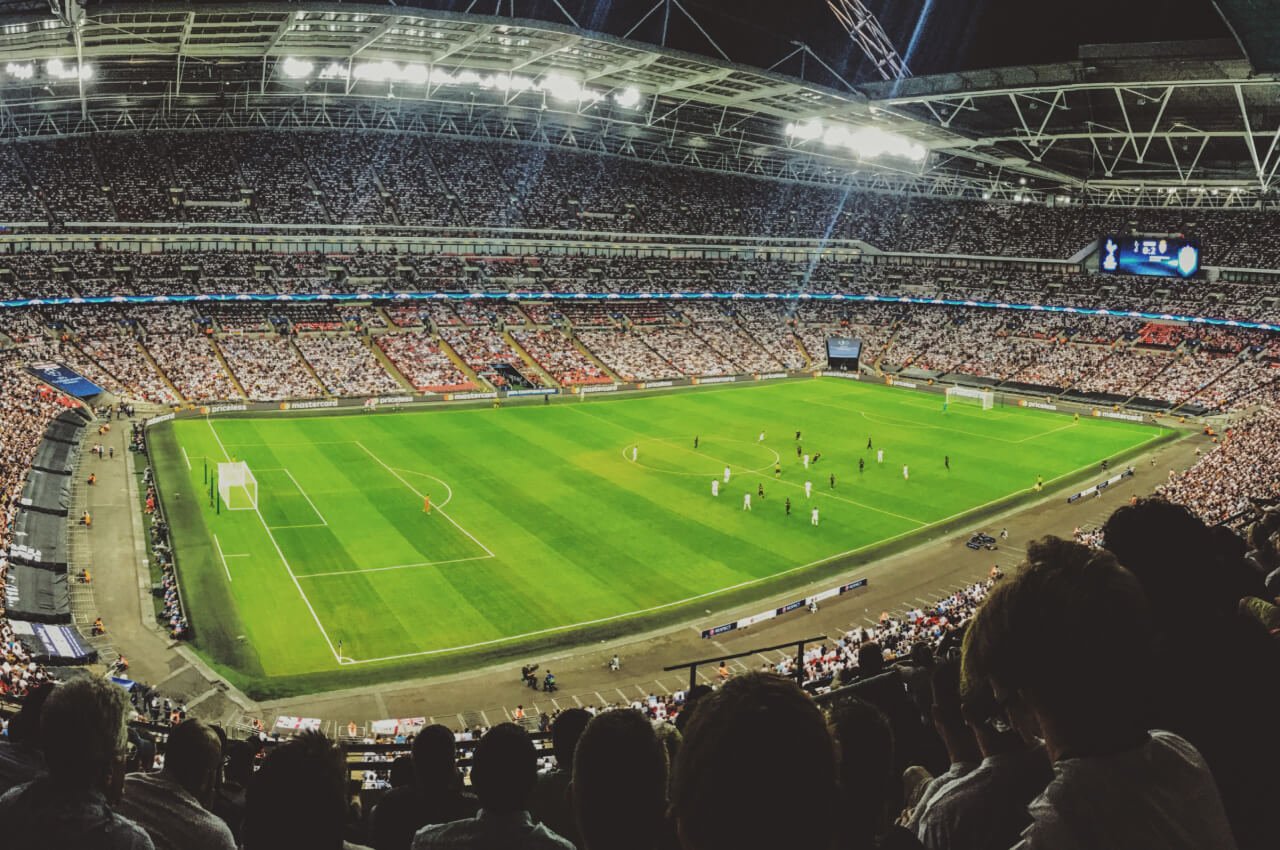
The European Court of Justice (ECJ) has turned its attention to FIFA and UEFA, the governing bodies of international and European football, respectively, amid allegations of antitrust violations. The case, which could reshape the governance of football in Europe, centers on accusations that the organizations have abused their dominant positions to stifle competition and limit opportunities for alternative football competitions.

The Case at Hand

The scrutiny follows legal action initiated by proponents of the European Super League (ESL), a controversial breakaway competition proposed by top football clubs. ESL advocates argue that FIFA and UEFA acted unlawfully by threatening to ban participating clubs and players from other competitions, including domestic leagues and international tournaments.

The plaintiffs claim that these measures constitute anti-competitive practices, violating European Union (EU) laws designed to promote fair competition and prevent monopolistic behavior.

Key Allegations Against FIFA and UEFA

  1. Restrictive Practices: Accusations of leveraging their authority to block rival tournaments.
  2. Unfair Sanctions: Threats of penalties against clubs and players participating in unsanctioned events.
  3. Monopoly Abuse: Using their dominant position to limit innovation and alternative formats in football.

Arguments from FIFA and UEFA

The governing bodies have defended their actions, stating that they are necessary to protect the integrity of football. They argue that:

  • Their regulations ensure uniformity and fairness across competitions.
  • Unauthorized tournaments could undermine the sport’s ecosystem, including grassroots programs.
  • The European Super League represents an elitist approach that would harm the competitive balance of football.

Legal and Industry Implications

The ECJ’s decision could have profound consequences:

  • Governance Reform: A ruling against FIFA and UEFA might require significant changes to their regulatory frameworks.
  • New Opportunities: Alternative competitions could gain legitimacy, potentially reshaping the football calendar and revenue distribution.
  • Broader Precedents: The case could influence how EU competition law applies to other sports and industries.

Public and Club Reactions

  • Fans: While many fans opposed the European Super League, they also question the fairness of FIFA and UEFA’s dominance.
  • Clubs: Smaller clubs worry about being overshadowed by elite teams, regardless of the outcome.
  • Players: Concerns persist over the impact on athletes, particularly regarding eligibility for major tournaments.

Timeline and Next Steps

The ECJ is expected to deliver a preliminary opinion soon, with a final judgment likely to follow in 2024. Both sides have expressed confidence in their arguments, but the decision could lead to years of regulatory adjustments and negotiations within the football world.

As the 2024 Summer Olympics in Paris draw closer, the Games are already mired in concerns and controversies ranging from logistical challenges to ethical debates. While the Olympics aim to showcase global unity and athletic excellence, several pressing issues have cast a shadow over the preparations.

1. Security Challenges

Paris faces heightened concerns over security, given its history of high-profile events and recent geopolitical tensions. Authorities have pledged an unprecedented level of safety measures, including extensive surveillance systems, but critics argue that these measures might infringe on personal privacy.

2. Rising Costs and Economic Impact

The cost of hosting the Olympics has sparked debates about the financial burden on taxpayers. While organizers promise long-term economic benefits through tourism and infrastructure development, skeptics point to previous host cities that struggled with post-Olympic debt and underutilized facilities.

3. Environmental Concerns

Despite efforts to promote sustainability, environmental groups have criticized certain projects, such as venue construction and urban development, for their potential ecological impact. Activists have raised alarms about deforestation and increased carbon emissions, questioning the true “greenness” of the Games.

4. Athlete Well-Being

The Paris heatwave predictions have raised questions about athlete safety during outdoor events. Medical experts have expressed concerns over the risk of heat-related illnesses, prompting calls for rescheduling or relocating certain competitions.

5. Doping Scandals

The Olympics continue to grapple with doping controversies, as anti-doping agencies strive to ensure a fair playing field. Several high-profile athletes have faced scrutiny, and the handling of these cases has fueled debates over transparency and accountability.

6. Political Tensions

The participation of certain nations has stirred geopolitical debates. Calls for boycotts and disputes over the inclusion of athletes from banned countries have underscored the complexities of maintaining neutrality in a politically charged environment.

7. Accessibility and Inclusivity

Despite efforts to make the Games more inclusive, criticism persists regarding accessibility for people with disabilities, both at venues and in broadcasting. Advocacy groups have urged organizers to address these gaps to ensure equal enjoyment for all.

8. Ticketing Issues

Fans have voiced frustration over high ticket prices and limited availability. Allegations of unfair allocation and ticket resale at inflated rates have further dampened public enthusiasm.

9. Cultural Sensitivity

Certain aspects of the Games, including sponsorship deals and branding, have sparked cultural debates. Critics argue that some partnerships clash with the values of the host city and its traditions.

Looking Ahead

Despite these challenges, organizers remain optimistic about delivering a memorable and impactful Olympics. The world will be watching closely to see how Paris navigates these concerns and whether it can uphold the Olympic spirit amid the controversies.

Michael Smith has etched his name in sports history with a breathtaking nine-dart finish, a feat that left fans and pundits in awe. The dramatic moment unfolded during a high-stakes darts championship match, showcasing Smith’s unparalleled skill and precision under pressure.

The Perfect Leg

In a sequence that darts enthusiasts dream of, Smith executed nine flawless darts to achieve the perfect leg. The combination of three treble 20s, followed by another set of treble 20s, and finally a 141 finish (treble 20, treble 19, double 12) electrified the arena. Spectators erupted in celebration as Smith sealed the moment with an air of confidence and composure.

A Turning Point in the Match

Smith’s nine-dart finish came at a crucial point in the match, swinging momentum in his favor. Facing a formidable opponent, the display of perfection shifted the dynamic, putting immense pressure on his rival and solidifying Smith’s dominance on the board.

Reaction from the Sports World

The feat drew admiration from across the sports community:

  • Fellow Players: Smith’s peers lauded the performance, with many taking to social media to praise his accomplishment.
  • Fans: Social media platforms lit up with tributes to Smith, hailing the nine-dart finish as one of the greatest moments in darts history.
  • Analysts: Commentators described the finish as a “once-in-a-lifetime display of precision,” cementing Smith’s legacy in the sport.

Historical Context

A nine-dart finish is regarded as the pinnacle of darts excellence, often compared to a perfect game in other sports. While the feat has been achieved by a select few, Smith’s timing and execution in a championship setting elevate its significance.

Smith’s Reaction

Humbled yet elated, Smith reflected on the achievement during the post-match interview:

“It’s a moment I’ll never forget. To do it in front of such an incredible crowd, in a match of this magnitude, is beyond special.”

What’s Next for Michael Smith?

With this iconic performance, Smith has solidified his reputation as one of the sport’s finest. Fans eagerly anticipate his next appearance, as the darts world continues to celebrate a moment that will be remembered for generations.